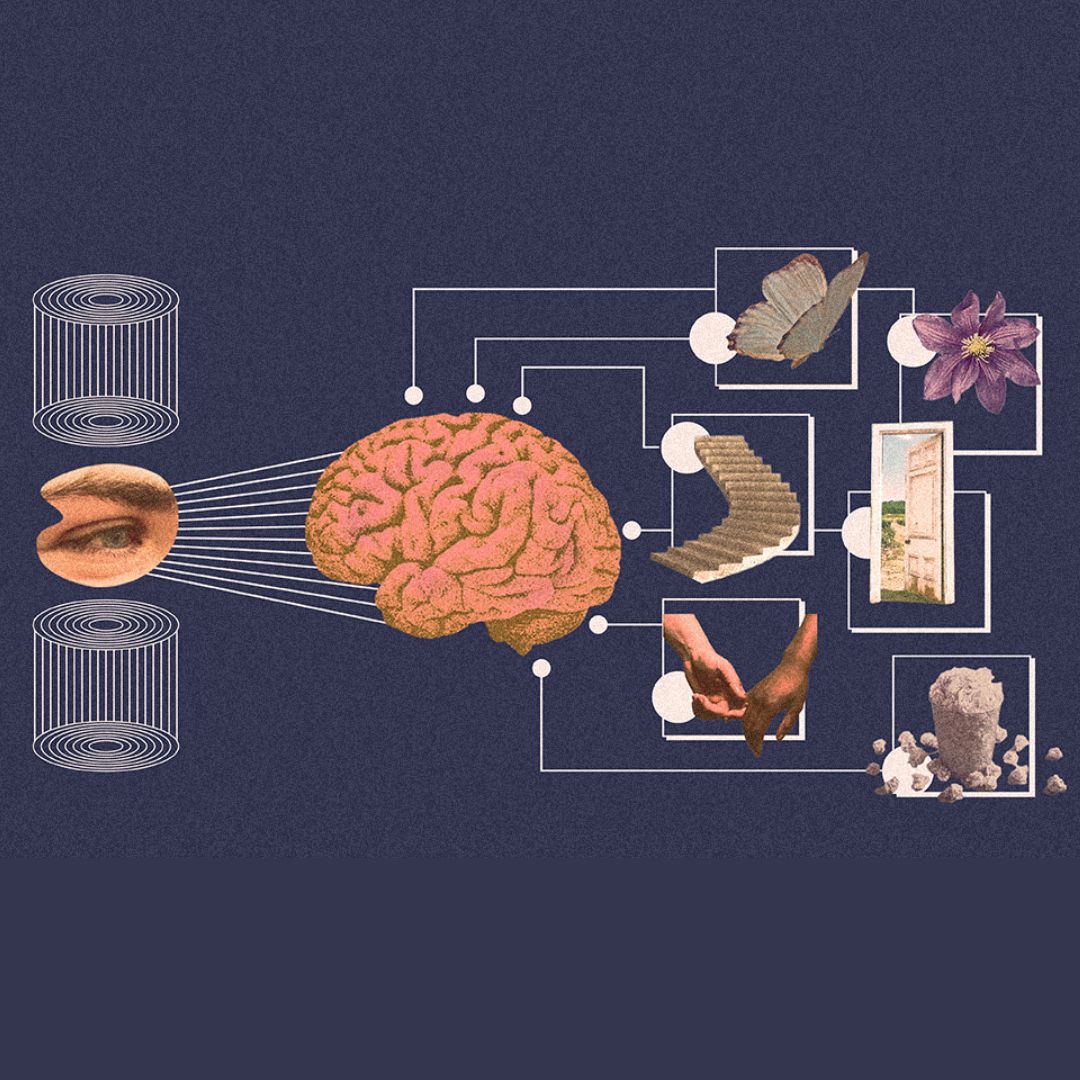
Despite structured criteria, ADHD is one of the most challenging conditions to diagnose. Multiple overlapping factors make it difficult.
- Misdiagnosis
ADHD can coexist with many disorders. Restlessness and distractibility may be caused by anxiety; depression can present as inattention and lack of motivation; trauma may lead to impulsivity and hyperarousal. For example, a high school student who was bullied might be seen as inattentive during class because of intrusive thoughts, not ADHD. A woman with untreated PTSD might be diagnosed as having hyperactive-impulsive ADHD because of irritability and emotional reactivity.
This overlap is why so many adults end up with multiple diagnoses throughout their lives: first depression, then anxiety, before they are finally evaluated for ADHD. Misdiagnosis causes delay and frustration.
- Comorbidities
Even when properly diagnosed, ADHD commonly occurs with other conditions. This makes both the clinical presentation and treatment more complex. A child with ADHD and dyslexia, for instance, has double the academic hurdles, one attention-related, the other reading-related. Treating one doesn't address the other. Similarly, an adult with ADHD and generalized anxiety may experience heightened restlessness, requiring integrated treatment.
- Gender Bias and Masking
In the past, ADHD has been more commonly diagnosed in boys. Boys are more outwardly hyperactive, whereas girls tend to exhibit more hidden behaviors such as daydreaming, disorganization, or emotional sensitivity. These more subtle cues tend to be brushed off as "personality traits."
Women tend to mask symptoms more; using planners, over-preparing, or suppressing fidgeting. While masking may reduce externally noticeable conflict, it often leads to internal burnout and shame. Thus, women often tend to be diagnosed only when they are adults, usually after years of being prescribed for anxiety or depression.
- Cultural Influences
In collectivist cultures, like India, academic achievement is highly valued. A child with difficulty paying attention is scolded as lazy or lacking discipline instead of being referred for evaluation. Parents are worried that a diagnosis will lead to labeling, influencing school acceptance or marriageability. Adults do not seek evaluation to avoid tainting their work reputation or family relations. These cultural barriers result in underdiagnosis and delayed treatment.
- The Illusion of ADHD in Contemporary Life
The age of the internet makes things worse. Information overload, multitasking, and constant notifications have shortened everyone's attention spans. Most wonder whether their "phone addiction" or inability to read books indicates ADHD. The difference is in history and impairment: ADHD symptoms persist across a lifetime, are pervasive, and impair functioning. Situational distractibility, in comparison, tends to be alleviated by rest, boundaries, or digital detox.
- Access Barriers
Even if individuals do approach a healthcare provider for help, access is not readily available. In India, evaluations can be costly, and experts are mostly based in cities. General practitioners may not receive training in adult ADHD, resulting in misdiagnosis. Psychiatric assessment waiting lists can extend for months.
Conclusion: ADHD diagnosis is made difficult not only by the disorder itself but also by cultural bias, gender roles, lifestyle factors, and systemic barriers. Proper assessment requires competent clinicians who approach the process with nuance, patience, and cultural awareness.