
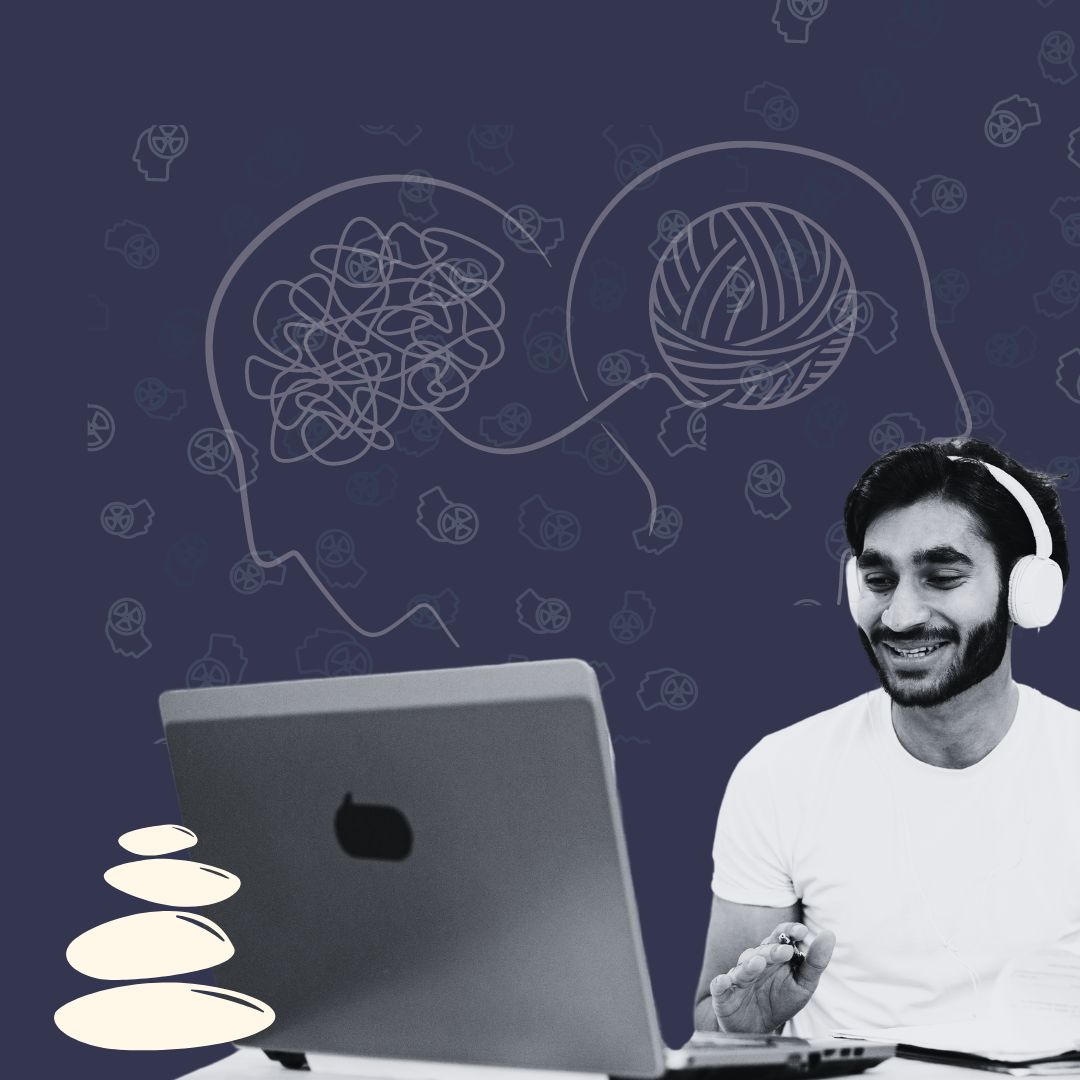
Therapists for OCD in India
Book a 1-on-1 sessions one of our empaneled Therapists for OCD in India
Sessions are online and offered at a specialised price as part of our collaboration with each therapist.

-

Akansha Goyal
5 Years Exp. | Anxiety | Panic | OCD | Depression | Borderline Personality Disorder
-

Dr Dileep Kumar
5 Years Exp. | Anxiety | Depression | OCD | Relationship Issues / Marriage | Neurodivergence
-

Ramya Krishnamoorthy
7 Years Exp. | Anxiety | OCD | Depression | Borderline Personality Disorder | ADHD
-

Raunak Mehta
5 Years Exp. | Anxiety | Panic | OCD | Depression | Personality Disorders
-

Dr Uma Haridas
Psychiatrist (MD) offering compassionate, evidence-based care across lifespan mental health.
-

Dr Neha Jeswani
Compassionate psychiatrist providing evidence-based, holistic care for mood, anxiety, OCD and more!
-

Aishwarya Singh
Specializes in CBT for body dysmorphic disorder, anxiety, and BPD. BW 30 Under 30 Award recipient.
-

Yashasvi Singla
2 Years Exp. | Anxiety | Psychosis & Schizophrenia Spectrum | Depression | OCD | Self Esteem & Imposter Syndrome
-
 Shortlist for me
Need help with finding a therapist?
Tell us a little bit about yourself to receive recommendations on therapists that will suit you better.
-

Garima Nirankari
Clinical psychologist using CBT, DBT and trauma-informed care for complex emotional concerns
-

Dr Sonam Mehuriya
Psychiatrist experienced in anxiety, mood disorders, ADHD and trauma care across all age groups
-

Deepika Saini
4 Years Exp. | OCD | Depression | Anxiety | Borderline Personality Disorder | Child & Adolescent Concerns
-

Sree Kuthi Kodam
Psychiatrist supporting anxiety, depression, OCD, stress, and relationship concerns.
-

Samir Walavalkar
10 Years Exp. | Anxiety | Panic | OCD | Depression | Anger & Emotional Regulation
-

Dr. Karan Shah
Distinguished psychiatrist & de-addiction expert offering compassionate care to 35,000+ patients.
-

Sarathi Covindane
MD Psychiatry Resident | Mood Disorders | Personality Disorders | Psychotherapy | Mental Health Education
-

Tejasvi Raina
1+ Years Exp. | Anxiety | Low Self-Esteem | OCD | Burnout | Depression
-
Shortlist for me
Need help with finding a therapist?
Tell us a little bit about yourself to receive recommendations on therapists that will suit you better.
-

Dr Abhishek Choudhary
4+ yrs. exp. | Anxiety, OCD & Mood Disorders | Trauma Care | Recovery-Focused Psychiatry
-

Dr Shridhar Manakame S K
4+ yrs Psychiatrist | Substance Use | Anxiety | Depression | Schizophrenia | BPAD | Couple Therapy | Gen Z Mental Health
-

Dr Nidhi Yadav
Psychiatrist specialising in addiction, adolescent mental health and evidence-based care
-

Dr Raj Laxmi
Psychiatrist specialising in recovery-focused care, psychosis, and community mental health
-

Dr Titas Chaudhuri
Consultant Psychiatrist for addiction, mood disorders and psychosis.
-

Aishwarya Bajaj
5 Years Exp. | Anxiety | Panic | OCD | Depression | Trauma & PTSD


Know more: Therapy for OCD
-
 See Therapist Response
How do I know if I need therapy for OCD — is what I’m experiencing “real OCD”?
-
 See Therapist Response
What is the best type of therapy for OCD?
-
 See Therapist Response
What is Exposure and Response Prevention (ERP) and how does it help with OCD?
-
 See Therapist Response
Do I need medication too — or is therapy alone enough to manage OCD?
-
 See Therapist Response
How long does OCD therapy take, and how many sessions might I need?


How do I know if I need therapy for OCD — is what I’m experiencing “real OCD”?
What is Exposure and Response Prevention (ERP) and how does it help with OCD?

Other common questions
Will therapy cure OCD completely?
Are there different types/subtypes of OCD — and does therapy work differently based on subtype?
What will a typical therapy session for OCD look like? What will I have to do?
How do I choose the “right” therapist for OCD (credentials, experience, therapy style)?
How do I know if therapy is working — what signs of improvement should I expect?
Therapists for PTSD/Trauma
→
Divorce Therapists
→
Therapists For Emotional Regulation
→
Therapists For ADHD
→
Couples Therapists
→
Therapists For Depression
→
Therapy For Borderline Personality Disorder
→
Therapists For Bipolar Disorder
→
Therapy For Anxiety
→
Therapists For Loneliness
→
Therapists For OCD
→
Therapists For Infidelity
→
Therapists For Postpartum Depression
→
Therapists for Grief
→
Therapists for Retroactive Jealousy
→
Therapists for Narcissistic Abuse
→
Therapists for Procrastination
→
Therapists for Work-Life Balance
→
Therapists For Gambling Addiction
→
Therapists For Separation Anxiety
→
Therapists For Self-Esteem
→
Therapists For Social Media Addiction
→
Therapists for BDD
→
Therapists for Seniors
→
Narcissistic Abuse Support Group
→
ADHD Support Group
→
BPD Support Group
→
Porn Addiction Support Group
→
Conscious Coupling
→
Divorce Support Group
→
Grief Support Group
→
PTSD Support Group
→
Childfree: Yes or No?
→
Emotional Regulation Support Group
→
Emotional Eating Support Group
→
OCD Support Group
→
Bipolar Disorder Support Group
→
Single Parenting Support Group
→
ADHD Parent Support Group
→
ADHD Support Groups
→
Divorce Support Groups
→
Relationship Support Groups
→
Skill-based Groups
→
Addiction Support Groups
→
PTSD Support Groups
→
Emotional Regulation Support Groups
→
Support Groups for Women
→
Support Groups for Men
→
Patient Support Groups
→
Groups for Life Decisions
→
Support Groups for BPD
→
Support Groups for Depression
→
Postpartum Depression Support Groups
→
Groups for Couple Relationships
→
Anxiety
→
Porn Addiction
→
Overthinking
→
Narcissistic Abuse
→
Depression
→
ADHD
→
Borderline Personality Disorder
→
Couple Relationships
→
PTSD
→
Emotional regulation
→
Retroactive jealousy
→
Sleep Issues
→
Attachment Style
→
Grief
→
Narcissism
→
Postpartum Depression
→
Procrastination
→
Men's Mental Health
→
Pregnancy Loss Support Group
→
Support Groups for Loneliness
→
Support Groups for Caregivers
→
Support Groups for New Moms
→
Support Groups for Adoption
→
Support Group for Drug Addiction
→
Support Group for Empty Nest
→
Support Groups for Gambling Addiction
→
Support Groups for Heartbreak
→
Support Groups for Infidelity
→
Support Groups for Procrastination
→
Support Groups for Retroactive Jealousy
→