
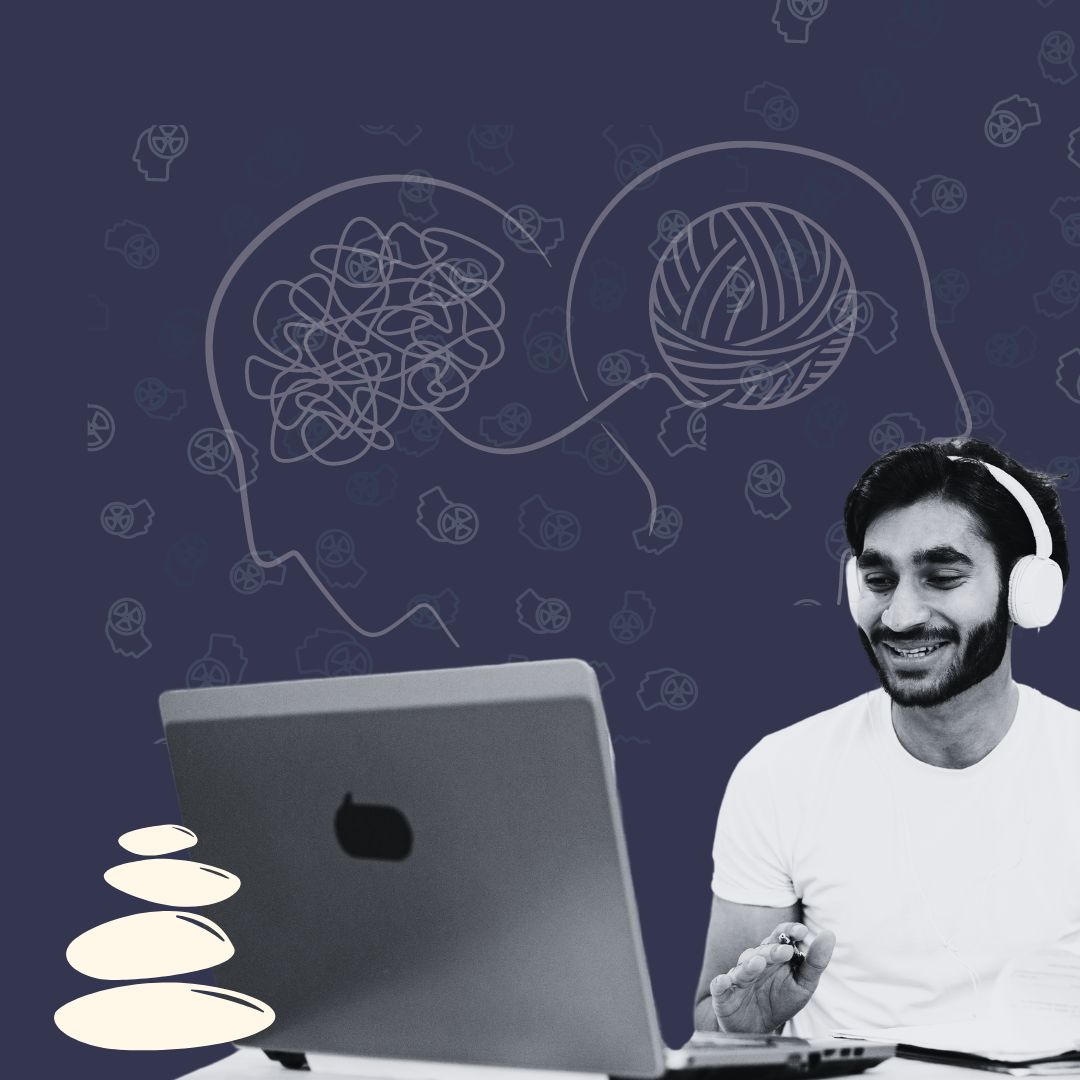
Therapists for Autism in India
Book a 1-on-1 sessions one of our empaneled Therapists for Autism in India
Sessions are online and offered at a specialised price as part of our collaboration with each therapist.

-
 Psychiatrist
Dr Nidhi Yadav
Psychiatrist specialising in addiction, adolescent mental health and evidence-based care
-
 Counselling Psychologist
Palak Sharma
Queer-affirmative, trauma-informed psychologist supporting anxiety, relationships and self-worth
-
 Counselling Psychologist
Rajalakshmi
Counselling Psychologist for stress, burnout, anxiety & relationship concerns.
-
 Psychiatrist
Dr Anshu Verma
Psychiatrist specializing in women’s, child & adolescent, geriatric mental health and stress care.
-
 Psychiatrist
Dr Varishi Jain
Psychiatrist with 4 years experience offering evidence-based, holistic care for adults & children.
-
 Psychiatrist
Dr Suparna Kumar
Psychiatrist specialising in child & adolescent mental health with a holistic, team-based approach.
-
 Counselling Psychologist
Palak Dadani
Counselling psychologist supporting children, teens, and families through play, therapy, & guidance
-
 Counselling Psychologist
Anshita Gaur
CBT and DBT-informed therapist offering a safe space for insight, healing, and growth.
-
 Counselling Psychologist
Rutuja Thukarul
Trauma-sensitive therapist: multicultural, queer-affirming. Trauma, grief, neurodivergence, identity
-
 Psychiatrist
Dr Somil Savla
Psychiatrist offering personalized care for addiction, anxiety, depression & sleep issues.
-
 Psychiatrist
Dr. Nabanita Sengupta
MD Psychiatry, Child specialist in Autism, ADHD, trauma. EMDR-trained, holistic care.
-
 Counselling Psychologist
Amrita Tiwari
Providing narrative and expressive arts therapy grounded in dignity, context, and lived experience
-
 Clinical Psychologist
Turfa Ahmed
Therapist supporting adults with trauma, identity, emotions, and life transitions with care
-
 Counselling Psychologist
Rebecca Coelho
Empathetic counsellor skilled in trauma-informed, queer-affirmative, and evidence-based practices.
-
 Counselling Psychologist
Divya Batra Masiwal
Empathic therapist blending talk and art to support growth, clarity, and creative healing.
-
 Clinical Psychologist
Sonali Behl
Clinical Psychologist | CBT & Humanistic | Anxiety, OCD, Self-esteem & Couples Therapy
-
 Neuropsychologist
Porrselvi A.P
Expert in neuropsychology, cognition, and sleep; uses eclectic methods for brain health & well-being
-
 Counselling Psychologist
Himani Bector
Dedicated mental health professional fostering a safe, inclusive space for healing and growth
-
 Counselling Psychologist
Nikhita Chheda
Specializes in anxiety, PTSD, and school counseling using CBT, REBT, and group therapy


Know more: Therapy for Autism
-
 See Therapist Response
Is it worth getting therapy if I’m autistic and already an adult?
-
 See Therapist Response
What issues can therapy help with if I’m autistic?
-
 See Therapist Response
Do I need an official autism diagnosis to start therapy?
-
 See Therapist Response
How is therapy for autistic adults different from regular therapy?
-
 See Therapist Response
What happens in therapy sessions for autistic adults?



Other common questions
Can therapy help with social anxiety if I’m autistic?
How can therapy help me communicate better without forcing me to change who I am?
What kind of therapist should I look for as an autistic adult? How do I find a therapist who understands late-diagnosed autism?
Can therapy help me unmask safely?
Key Takeaways
Therapists for PTSD/Trauma
→
Divorce Therapists
→
Therapists For Emotional Regulation
→
Therapists For ADHD
→
Couples Therapists
→
Therapists For Depression
→
Therapy For Borderline Personality Disorder
→
Therapists For Bipolar Disorder
→
Therapy For Anxiety
→
Therapists For Loneliness
→
Therapists For OCD
→
Therapists For Infidelity
→
Therapists For Postpartum Depression
→
Therapists for Grief
→
Therapists for Retroactive Jealousy
→
Therapists for Narcissistic Abuse
→
Therapists for Procrastination
→
Therapists for Work-Life Balance
→
Therapists For Gambling Addiction
→
Therapists For Separation Anxiety
→
Therapists For Self-Esteem
→
Therapists For Social Media Addiction
→
Therapists for BDD
→
Therapists for Seniors
→
Narcissistic Abuse Support Group
→
ADHD Support Group
→
BPD Support Group
→
Porn Addiction Support Group
→
Conscious Coupling
→
Divorce Support Group
→
Grief Support Group
→
PTSD Support Group
→
Childfree: Yes or No?
→
Emotional Regulation Support Group
→
Emotional Eating Support Group
→
OCD Support Group
→
Bipolar Disorder Support Group
→
Single Parenting Support Group
→
ADHD Parent Support Group
→
ADHD Support Groups
→
Divorce Support Groups
→
Relationship Support Groups
→
Skill-based Groups
→
Addiction Support Groups
→
PTSD Support Groups
→
Emotional Regulation Support Groups
→
Support Groups for Women
→
Support Groups for Men
→
Patient Support Groups
→
Groups for Life Decisions
→
Support Groups for BPD
→
Support Groups for Depression
→
Postpartum Depression Support Groups
→
Groups for Couple Relationships
→
Anxiety
→
Porn Addiction
→
Overthinking
→
Narcissistic Abuse
→
Depression
→
ADHD
→
Borderline Personality Disorder
→
Couple Relationships
→
PTSD
→
Emotional regulation
→
Retroactive jealousy
→
Sleep Issues
→
Attachment Style
→
Grief
→
Narcissism
→
Postpartum Depression
→
Procrastination
→
Men's Mental Health
→
Pregnancy Loss Support Group
→
Support Groups for Loneliness
→
Support Groups for Caregivers
→
Support Groups for New Moms
→
Support Groups for Adoption
→
Support Group for Drug Addiction
→
Support Group for Empty Nest
→
Support Groups for Gambling Addiction
→
Support Groups for Heartbreak
→
Support Groups for Infidelity
→
Support Groups for Procrastination
→
Support Groups for Retroactive Jealousy
→