
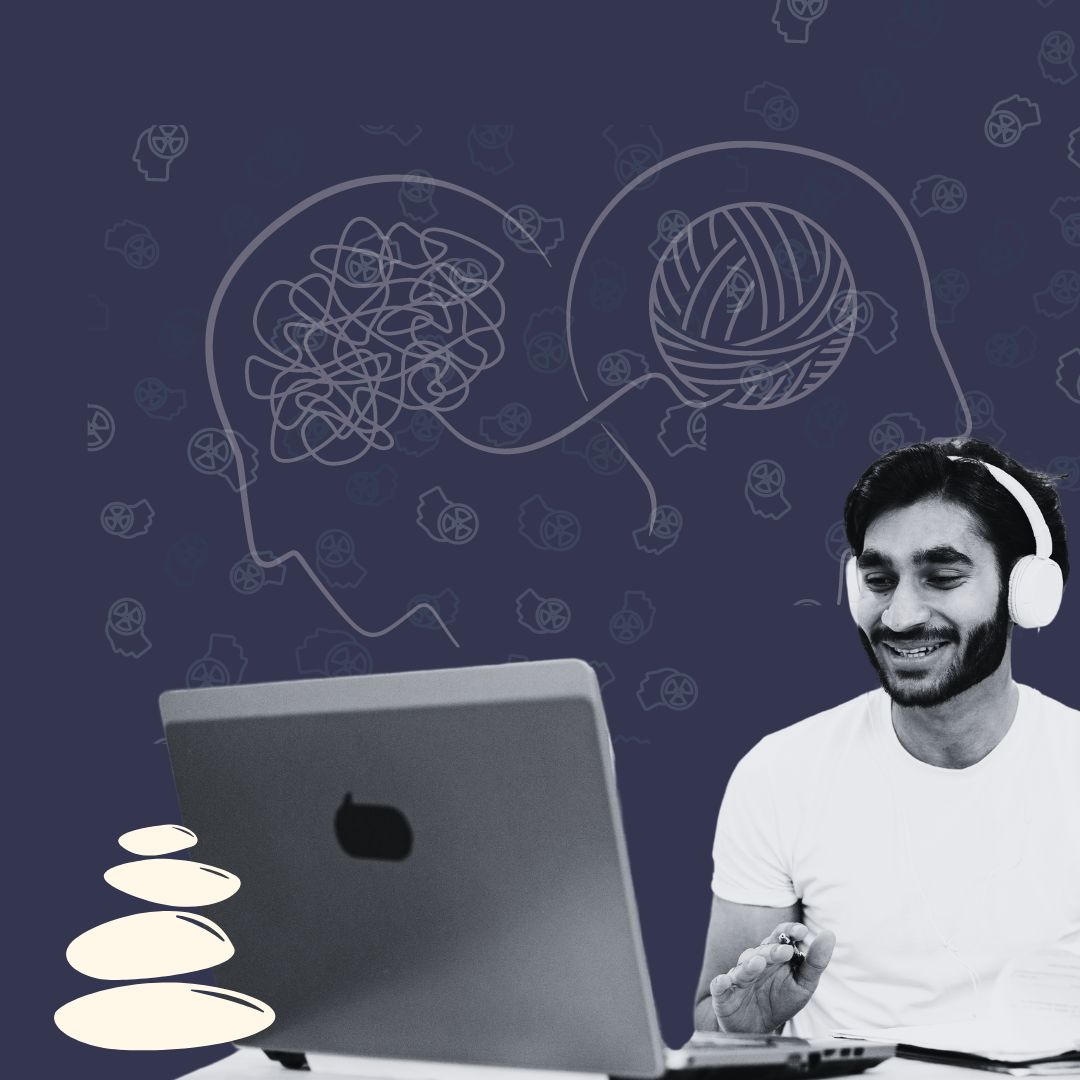
Therapists for Humanistic & Person-Centred Approach in India
Book a 1-on-1 sessions one of our empaneled Therapists for Humanistic & Person-Centred Approach in India
Sessions are online and offered at a specialised price as part of our collaboration with each therapist.

-

Naveli Saxena
Counseling psychologist dedicated to fostering a safe space for healing and personal growth
-

Mamta Verma
13 Years Exp. | Anxiety | Panic | Depression | Stress, Burnout & Overwhelm | Anger & Emotional Regulation
-

Akansha Goyal
5 Years Exp. | Anxiety | Panic | OCD | Depression | Borderline Personality Disorder
-

Dr Dileep Kumar
5 Years Exp. | Anxiety | Depression | OCD | Relationship Issues / Marriage | Neurodivergence
-

Mrudula Goswami
7 Years Exp. | Anxiety | Depression | Self Esteem & Imposter Syndrome | Relationship Issues / Marriage | Intimacy
-

Ramya Krishnamoorthy
7 Years Exp. | Anxiety | OCD | Depression | Borderline Personality Disorder | ADHD
-

Sonali Manohar
4 Years Exp. | Relationship Issues / Marriage | Couple's Therapy | ADHD | Anger & Emotional Regulation | Anxiety
-

Ria Basaiawmoit
Therapist offering empathetic, trauma-informed care for anxiety, self-esteem, and life transitions
-
 Shortlist for me
Need help with finding a therapist?
Tell us a little bit about yourself to receive recommendations on therapists that will suit you better.
-

Vandana Sharma
7 Years Exp. | Relationship Issues / Marriage | Couple's Therapy | Parenting | Anxiety | Depression
-

Sharad Kasera
Addiction & psychosexual therapist offering stigma-free, evidence-based support for recovery.
-

Prachi Naik
10 Years Exp. | Anxiety | Depression | Existential Concerns + Identity | Sexual Identity | Neurodivergence
-

Laraeb Pracha
9 Years Exp. | Trauma & PTSD | Borderline Personality Disorder | Personality Disorders | Grief | Abuse


Common Questions: Humanistic Approach Therapy
-

What is person-centred therapy and how does it work?
-

How does humanistic therapy differ from CBT or psychodynamic approaches?
-

Will a person-centred therapist give me advice or let me find my own answers?
-

Can humanistic therapy help with self-esteem and personal growth?
-

How does person-centred therapy create a safe and non-judgmental space?


Will a person-centred therapist give me advice or let me find my own answers?

Other common questions
Will this approach work for anxiety, depression, or relationship issues?
How much does humanistic or person-centred therapy cost in India?
Is online person-centred therapy available and effective?
What qualities should I look for in a person-centred therapist?
How long does humanistic therapy take to see results?
Therapists for PTSD/Trauma
→
Divorce Therapists
→
Therapists For Emotional Regulation
→
Therapists For ADHD
→
Couples Therapists
→
Therapists For Depression
→
Therapy For Borderline Personality Disorder
→
Therapists For Bipolar Disorder
→
Therapy For Anxiety
→
Therapists For Loneliness
→
Therapists For OCD
→
Therapists For Infidelity
→
Therapists For Postpartum Depression
→
Therapists for Grief
→
Therapists for Retroactive Jealousy
→
Therapists for Narcissistic Abuse
→
Therapists for Procrastination
→
Therapists for Work-Life Balance
→
Therapists For Gambling Addiction
→
Therapists For Separation Anxiety
→
Therapists For Self-Esteem
→
Therapists For Social Media Addiction
→
Therapists for BDD
→
Therapists for Seniors
→
Narcissistic Abuse Support Group
→
ADHD Support Group
→
BPD Support Group
→
Porn Addiction Support Group
→
Conscious Coupling
→
Divorce Support Group
→
Grief Support Group
→
PTSD Support Group
→
Childfree: Yes or No?
→
Emotional Regulation Support Group
→
Emotional Eating Support Group
→
OCD Support Group
→
Bipolar Disorder Support Group
→
Single Parenting Support Group
→
ADHD Parent Support Group
→
ADHD Support Groups
→
Divorce Support Groups
→
Relationship Support Groups
→
Skill-based Groups
→
Addiction Support Groups
→
PTSD Support Groups
→
Emotional Regulation Support Groups
→
Support Groups for Women
→
Support Groups for Men
→
Patient Support Groups
→
Groups for Life Decisions
→
Support Groups for BPD
→
Support Groups for Depression
→
Postpartum Depression Support Groups
→
Groups for Couple Relationships
→
Anxiety
→
Porn Addiction
→
Overthinking
→
Narcissistic Abuse
→
Depression
→
ADHD
→
Borderline Personality Disorder
→
Couple Relationships
→
PTSD
→
Emotional regulation
→
Retroactive jealousy
→
Sleep Issues
→
Attachment Style
→
Grief
→
Narcissism
→
Postpartum Depression
→
Procrastination
→
Men's Mental Health
→
Pregnancy Loss Support Group
→
Support Groups for Loneliness
→
Support Groups for Caregivers
→
Support Groups for New Moms
→
Support Groups for Adoption
→
Support Group for Drug Addiction
→
Support Group for Empty Nest
→
Support Groups for Gambling Addiction
→
Support Groups for Heartbreak
→
Support Groups for Infidelity
→
Support Groups for Procrastination
→
Support Groups for Retroactive Jealousy
→