Therapists for Expressive Arts in India

  1. Book a 1-on-1 sessions one of our empaneled Therapists for Expressive Arts in India

  2. Sessions are online and offered at a specialised price as part of our collaboration with each therapist.

Help me find a therapist.  
  • Need help with finding a therapist?

    Tell us a little bit about yourself to receive recommendations on therapists that will suit you better.

    Shortlist for me
1 of 5

How can expressive arts therapy help process emotions?

Sometimes people know they're struggling but can't find the right words to explain what's going on. More often, the thoughts are always around, like "I know something is wrong, but I can't talk about it, or I don't know how to."

This is where expressive arts therapy helps.

Instead of expecting you to explain everything, the therapist invites you to draw, paint, write, listen to music, move your body, or use other creative activities. You're introduced to different ways to explore what's happening inside you.

For example, someone who says they feel "fine" might choose dark colours without really thinking about it. Another person might draw a tiny figure surrounded by empty space and later realise how lonely they've been feeling. Sometimes people discover emotions they didn't know they were carrying until they see them reflected in what they've created.

The therapist doesn't tell you what your expression means at first. To begin with, they help you become curious about it on your own. They might ask questions like, "What stands out to you?" or "How did it feel while you were drawing that?" And together, you make sense of the emotions behind the creative work.

For many, expressing feelings this way feels easier than trying to explain everything with words alone.

Can this therapy help when talking feels difficult?

This very doubt is one of the reasons many people choose expressive arts therapy.

Sometimes it's not that you don't want to talk. You just don't know how to put your feelings into words. You might know you're carrying sadness, anger, or stress, but every time someone asks, "How are you feeling?" your mind goes blank.

So, expressive arts therapy gives you another way to communicate.

For instance, instead of asking you to explain your grief, a therapist might invite you to draw it, choose colours that match how you're feeling, or write a few words without worrying if they make sense. Someone else might express their emotions through music or simple movement instead of talking.

What's interesting is that people often discover feelings they didn't even realise were there. They might start drawing without much thought and later notice that everything feels heavy, chaotic, or lonely. That becomes a starting point for the conversation.

There's no pressure to explain everything perfectly. The activity is just to help you and your therapist understand your emotions together, one step at a time.

Help me find a Therapist  

What actually happens in an expressive arts therapy session?

A session starts with a simple conversation about how you're doing. You don't need to prepare anything or know exactly what you want to work on. You are free to share whatever comes off the top of your mind. It could vary from "I've had a few stressful days" for some people to "I don't really know how I'm feeling today" for others.

Based on your interests and approach, your therapist may suggest a creative activity. You might be asked to draw how your stress feels, choose colours that match your mood, or write a few lines without overthinking. Sessions can also encourage you to listen to a piece of music or use simple movement to notice how your body feels.

Don't worry if you think you're "not creative." That's one of the biggest worries people have. You don't need to know how to paint, draw, dance, or write well. Nobody is judging your work, and there are no right or wrong answers here.

After the activity, you and your therapist spend some time talking about what you noticed. Maybe you realised you kept using the same colour, drew something unexpected, or felt emotional while creating. Sometimes nothing feels obvious at first, and that's okay, too.

The therapist helps you explore the experience without forcing meaning or analysing every detail. The creative activity is just another way of understanding your thoughts and feelings, especially when they are difficult to put into words.

How does creative expression support emotional healing?

Sometimes feelings stay stuck inside because we keep pushing them away or don't know how to acknowledge them. Creative activities make it feel a little easier to let those feelings come out.

For example, someone who's been holding in stress for months may notice themselves pressing very hard with a crayon or filling the page with dark colours. Someone else might realise they feel calmer after painting or moving to music, even if they can't explain why.

The artwork or activity isn't what heals you. It's what happens while you're engaged in it.

Your therapist helps you slow down and notice things you may have missed. They might ask, "What was going through your mind while you were drawing this?" or "How did your body feel during that exercise?" These questions help you understand your emotions.

As sessions continue, people become better at recognising what they're feeling. Once these feelings are better understood, expressing them in healthy ways becomes less taxing, and they can be kinder to themselves. The process is all about learning that emotions can be noticed, understood, and worked through safely.

Help me find a Therapist  

Is expressive arts therapy useful for stress or trauma?

Expressive arts therapy can be very helpful for people dealing with stress, anxiety, or trauma.

One reason is that difficult experiences aren't always easy to talk about. Sometimes you know something has affected you, but every time you try to explain it, you either shut down, feel overwhelmed, or don't know where to begin.

Expressive arts therapy gives you another way to explore those experiences.

For example, your therapist might invite you to use colours, draw shapes, listen to music, or notice how your body feels rather than talking about the painful memory. Someone carrying a lot of stress might realise they keep drawing tight, crowded lines. Another person may notice that a simple movement exercise helps them recognise where they hold tension in their shoulders or chest.

The idea is not to rush you into talking about painful memories. Many sessions focus first on helping you feel calm, safe, and grounded. Only when you feel ready do you begin exploring more difficult emotions or experiences.

The bottom line is that it helps you understand those emotions and experiences in a way that feels safe, so that they slowly become less overwhelming.

Other common questions

Do I need artistic skills to try expressive arts therapy?

We understand why this is probably the biggest worry people have before they try expressive arts therapy.

A lot of people say things like, "I can't draw," "I'm not creative," or "I haven't painted since school." But none of that matters.

Your therapist isn't looking at whether your drawing is good or whether your writing sounds beautiful. They aren't judging your artwork, and there are no marks or grades.

It’s all about drawing a few lines, choosing some colours, tearing paper into shapes, or scribbling on a page. Someone else may prefer listening to music or moving around the room instead of drawing. All of these are part of expressive arts therapy.

The focus is on what the activity helps you notice about yourself, not on what you create.

Many people who thought they were "bad at art" or “they don’t know how to make their body move” are surprised to find that they enjoy the process because there's no pressure to get anything right. It's one way to understand yourself when words don't seem to help.

What should I look for in an expressive arts therapist?

Finding the right therapist is more important than finding the "best" art therapist.

The first thing to look for is someone who makes you feel comfortable. You should feel free to ask questions, take your time, and never feel judged. A good therapist won't expect you to push yourself to share more than you're ready to.

It also helps to choose a therapist who is trained in expressive arts therapy and has experience with the concerns you're seeking help for, whether that's stress, anxiety, trauma, burnout, or emotional difficulties.

The first few sessions usually tell you a lot. Do you feel listened to? Does the therapist explain the activities instead of expecting you to know what to do? Do they encourage you to explore at your own pace?

A good expressive arts therapist understands that creative activities are tools to help you understand yourself better. It's not a judgement of your drawings or colour, or telling you what your artwork "means." The end goal is to help you become curious about your own experience and support you as you make sense of it.

How does online expressive arts therapy work?

Online expressive arts therapy works much like an in-person session, except you meet your therapist through a secure video call.

You don't need a special art studio or expensive art supplies to take part in expressive arts therapy. Most activities use simple things you probably already have at home, like paper, pencils, crayons, coloured pens, old magazines for collage, or even music.

Sometimes, the only "tool" you need is your own body. A therapist might invite you to notice how your body wants to move, stretch, or breathe, or ask you to spend a few minutes writing freely about whatever comes to mind.

The focus is on giving yourself another form to express what you're feeling.

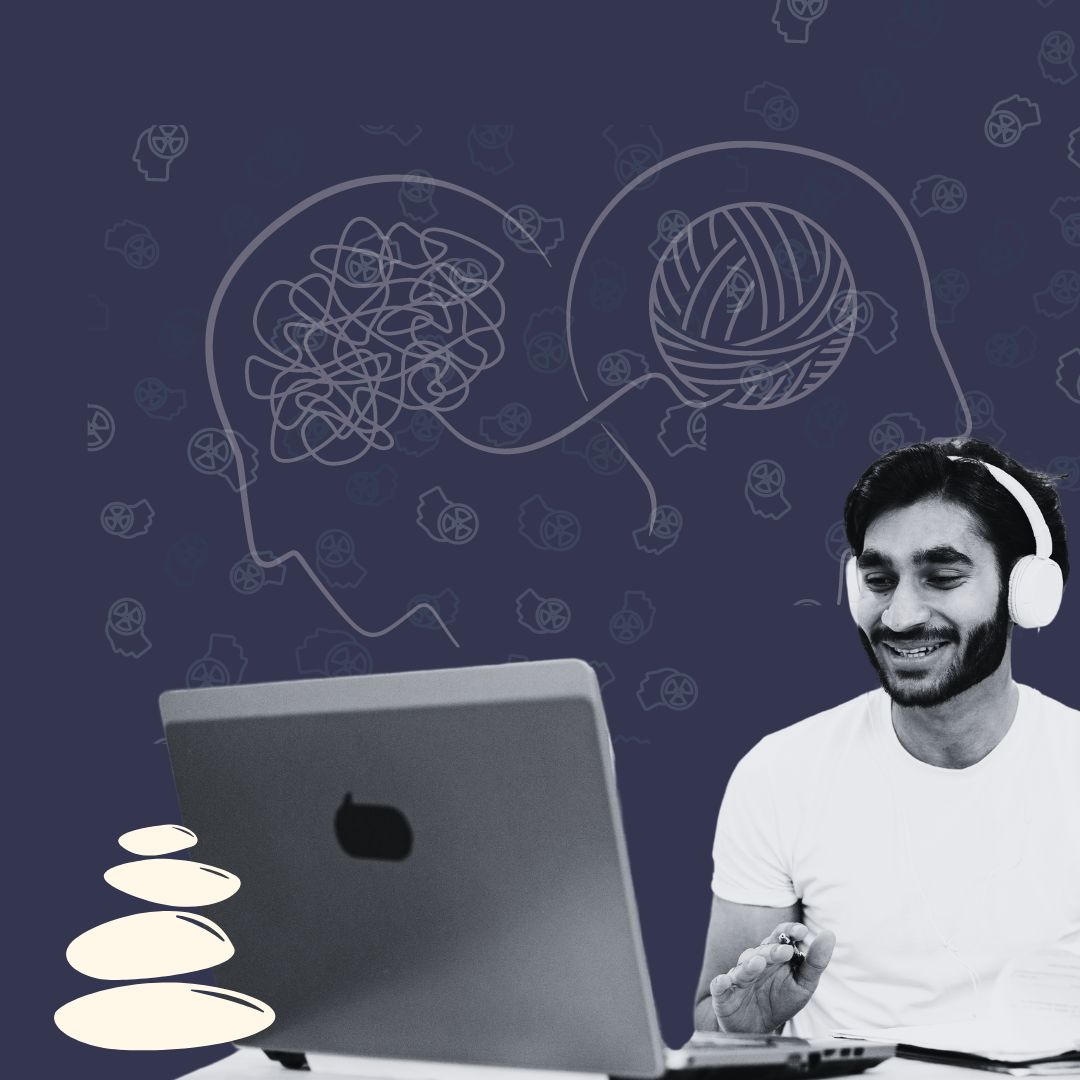
For example, if you've been feeling like everything is "too much," your therapist might ask you to draw two pictures, one showing how your mind feels right now and another showing how you'd like it to feel. You don't need to be good at drawing. The pictures help you notice emotions that may have been difficult to describe.

After the activity, you and your therapist talk about what came up for you, what you noticed, how it felt, and whether anything surprised you.

Many people actually find it easier to do this from home because they're already in a familiar place. And it can feel less intimidating than walking into a clinic or studio, especially if you're feeling nervous or trying expressive arts therapy for the first time.

The most important part of therapy isn't where you are. It's having a therapist who helps you feel safe, understood, and comfortable enough to explore your thoughts and emotions at your own pace.

What tools or activities are commonly used?

Every session can look a little different because the activities are chosen based on what feels helpful for you that day.

Some days you might draw or paint. Other times, you may write in a journal, make a collage using magazine pictures, listen to music, use simple movement, or spend a few minutes imagining a place where you feel calm and safe. There isn't one "right" activity that everyone does.

For example, if you've been feeling angry all week but don't know why, your therapist might ask you to shape that feeling using clay. As you work with it, you may notice that you're squeezing it tightly or making sharp edges without even thinking about it.

If you've been feeling emotionally drained, your therapist might play a piece of music and ask you to simply notice what happens in your body as you listen. You may realise that your shoulders relax, your breathing changes, or a feeling you've been pushing away starts to come up. That becomes the starting point for the conversation.

The activities are meant to help you notice thoughts, feelings, or memories that may be difficult to put into words. Afterwards, you and your therapist talk about what came up and what you noticed during the process. Sometimes people are surprised by what they discover about themselves through something as simple as choosing colours or making shapes on a page.

How long does expressive arts therapy usually take?

There isn't a fixed number of sessions because everyone comes to therapy for different reasons.

Some people come for a few weeks because they're feeling stressed or emotionally overwhelmed, or because they're going through a difficult life change. Others stay longer because they're working through grief, trauma, or long-standing emotional patterns.

The first few sessions are usually about getting to know you and understanding what you're hoping to get out of therapy. As you continue, you and your therapist regularly check in about how things are going and decide together whether you want to continue, take a break, or finish therapy.

Progress doesn't always look dramatic. Sometimes the first changes are small. You might find it easier to recognise your emotions, feel less overwhelmed, or notice that you're expressing yourself more freely than before. Many people say they start feeling more connected to themselves, even before the bigger changes begin.