
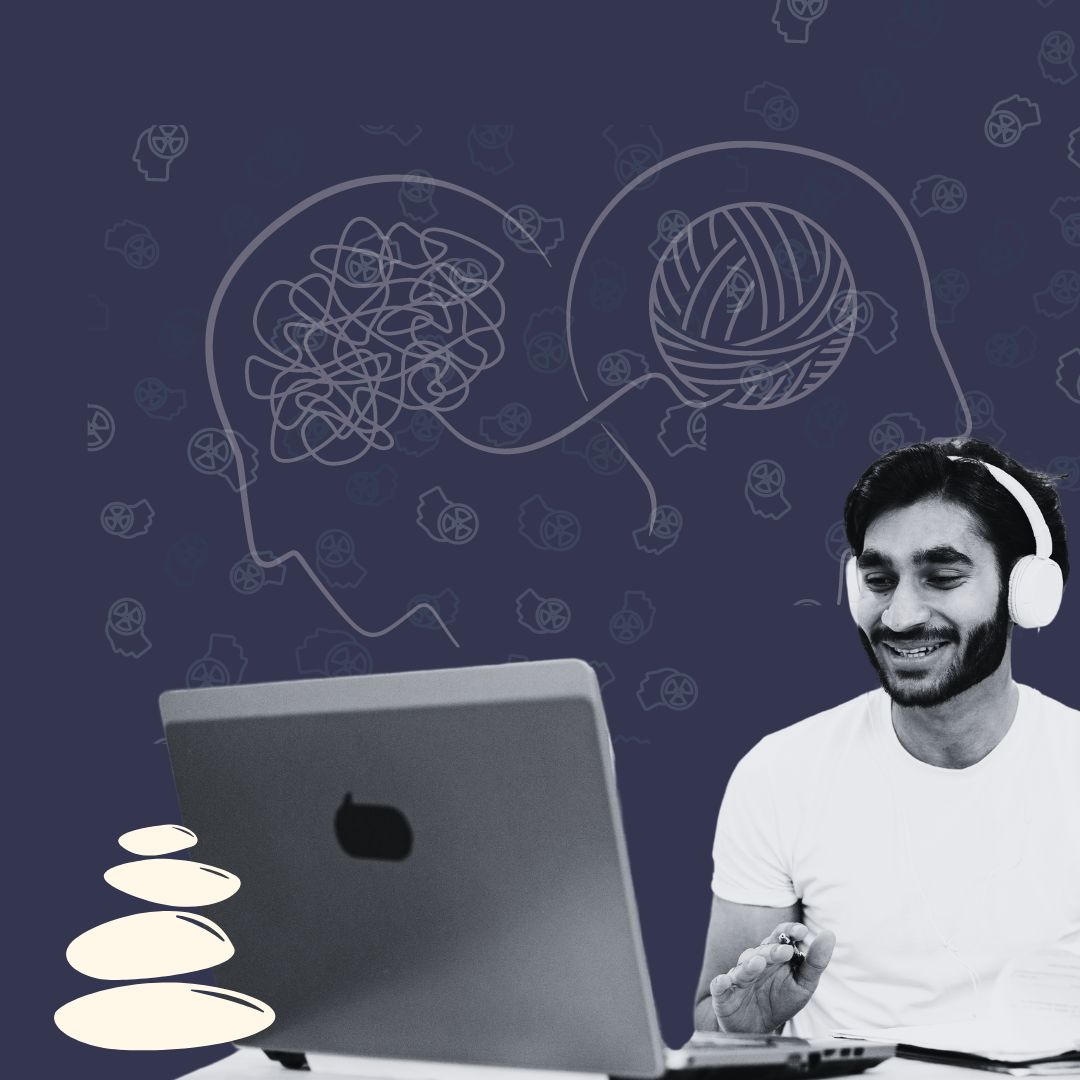
Therapists for Adolescents in India
Book a 1-on-1 sessions one of our empaneled Therapists for Adolescents in India
Sessions are online and offered at a specialised price as part of our collaboration with each therapist.

-

Dr Abdullah Kamlur
5 Years Exp. | Anxiety | Depression | OCD | Relationship Issues / Marriage | Intimacy
-

Divina Richu Denny
Clinical psychologist with strong expertise in stress, habits, and emotional health
-

Dr Tanu Kumari
Consultant psychiatrist trained at AIIMS, specializing in neurobiological and psychosocial care
-

Dr Anshu Kulkarni
Compassionate psychiatrist specializing in stress, behavioral issues, CBT, and emotional wellbeing.
-

Rahul Verma
Helping people build life skills and self-awareness through CBT, REBT, & a client-centered approach.
-

Puneet Agrawal
5 Years Exp. | Anxiety | Depression | Stress, Burnout & Overwhelm | Anger & Emotional Regulation | Self Esteem & Imposter
-

Deepika Saini
4 Years Exp. | OCD | Depression | Anxiety | Borderline Personality Disorder | Child & Adolescent Concerns
-

Sakshi Somani
Counselling psychologist blending conversation, care & CBT for anxiety, burnout & self-worth.
-
 Shortlist for me
Need help with finding a therapist?
Tell us a little bit about yourself to receive recommendations on therapists that will suit you better.
-

Ananya Vohra
10 years Exp. | Anxiety | Depression | Trauma & PTSD | Grief | Abuse
-

Ridhi Chadha
Counselling Psychologist | CBT, DBT, ACT | Safe, inclusive & affirming therapy space
-

Seerat Dhillon
Counseling psychologist dedicated to empowering individuals toward personal growth and wellness
-

Snehal Chhajed
11 Years Exp. | Couple's Therapy | Grief | Anxiety | Trauma & PTSD | Self Esteem & Imposter Syndrome
-

Shahana Zehra
Empowers mental health using CBT & third-wave therapy, focusing on self-esteem, relationships & more
-

Sonakshi Pandey
5 Years Exp. | Relationship Issues / Marriage | Anger & Emotional Regulation | Career | Family Therapy | Child & Adolescent
-

Anshika Sharma
Therapy for depression, anxiety, eating disorders, OCD, relationships & geriatric issues.
-

Dr Dileep Kumar
5 Years Exp. | Anxiety | Depression | OCD | Relationship Issues / Marriage | Neurodivergence
-
Shortlist for me
Need help with finding a therapist?
Tell us a little bit about yourself to receive recommendations on therapists that will suit you better.
-

Sonali Behl
Clinical Psychologist | CBT & Humanistic | Anxiety, OCD, Self-esteem & Couples Therapy
-

Dr Divya Rajawat
7+ yrs. exp. | Consultant Psychiatrist | Sexual Medicine | Relationship & Mental Health Care
-

Lisa Varun Shukla
7 Years Exp. | Anxiety | Depression | Anger & Emotional Regulation | Couple's Therapy | Child & Adolescent Concerns
-

Dr Rahul Latke
6 Years Exp. | Depression | Bipolar | Psychosis & Schizophrenia Spectrum | Intimacy | Addiction & Behavioural Health
-

Dr Bidisha Chakraborty
Psychiatrist offering empathetic, evidence-based care for anxiety, depression, OCD, addiction & more
-

Nisargi Shah
Trauma-informed, queer-affirmative mental health practitioner.
-

Dr Himshikha Srivastava
MD Psychiatry resident offering warm, stigma-free care for anxiety, depression, OCD & relationships.
-
Shortlist for me
Need help with finding a therapist?
Tell us a little bit about yourself to receive recommendations on therapists that will suit you better.


Common Questions: Therapy for Adolescents
-
 Therapist Response
How do I know if my teenager needs therapy?
-
 Therapist Response
What are the warning signs that my adolescent child should see a therapist?
-
 Therapist Response
How much does adolescent therapy cost in India?
-
 Therapist Response
Can my teenager have therapy sessions without me present?
-
 Therapist Response
What type of therapy works best for teenagers with anxiety and depression?


What are the warning signs that my adolescent child should see a therapist?
Help me find a Therapist

Other common questions
Is online therapy effective for adolescents in India?
How can I convince my teenager to try therapy if they're resistant?
Will the therapist tell me what my teen discusses in sessions?
Can therapy help my adolescent with academic stress and peer pressure?
How long should my teenager be in therapy to see improvements?
Therapists for PTSD/Trauma
→
Divorce Therapists
→
Therapists For Emotional Regulation
→
Therapists For ADHD
→
Couples Therapists
→
Therapists For Depression
→
Therapy For Borderline Personality Disorder
→
Therapists For Bipolar Disorder
→
Therapy For Anxiety
→
Therapists For Loneliness
→
Therapists For OCD
→
Therapists For Infidelity
→
Therapists For Postpartum Depression
→
Therapists for Grief
→
Therapists for Retroactive Jealousy
→
Therapists for Narcissistic Abuse
→
Therapists for Procrastination
→
Therapists for Work-Life Balance
→
Therapists For Gambling Addiction
→
Therapists For Separation Anxiety
→
Therapists For Self-Esteem
→
Therapists For Social Media Addiction
→
Therapists for BDD
→
Therapists for Seniors
→
Narcissistic Abuse Support Group
→
ADHD Support Group
→
BPD Support Group
→
Porn Addiction Support Group
→
Conscious Coupling
→
Divorce Support Group
→
Grief Support Group
→
PTSD Support Group
→
Childfree: Yes or No?
→
Emotional Regulation Support Group
→
Emotional Eating Support Group
→
OCD Support Group
→
Bipolar Disorder Support Group
→
Single Parenting Support Group
→
ADHD Parent Support Group
→
ADHD Support Groups
→
Divorce Support Groups
→
Relationship Support Groups
→
Skill-based Groups
→
Addiction Support Groups
→
PTSD Support Groups
→
Emotional Regulation Support Groups
→
Support Groups for Women
→
Support Groups for Men
→
Patient Support Groups
→
Groups for Life Decisions
→
Support Groups for BPD
→
Support Groups for Depression
→
Postpartum Depression Support Groups
→
Groups for Couple Relationships
→
Anxiety
→
Porn Addiction
→
Overthinking
→
Narcissistic Abuse
→
Depression
→
ADHD
→
Borderline Personality Disorder
→
Couple Relationships
→
PTSD
→
Emotional regulation
→
Retroactive jealousy
→
Sleep Issues
→
Attachment Style
→
Grief
→
Narcissism
→
Postpartum Depression
→
Procrastination
→
Men's Mental Health
→
Pregnancy Loss Support Group
→
Support Groups for Loneliness
→
Support Groups for Caregivers
→
Support Groups for New Moms
→
Support Groups for Adoption
→
Support Group for Drug Addiction
→
Support Group for Empty Nest
→
Support Groups for Gambling Addiction
→
Support Groups for Heartbreak
→
Support Groups for Infidelity
→
Support Groups for Procrastination
→
Support Groups for Retroactive Jealousy
→